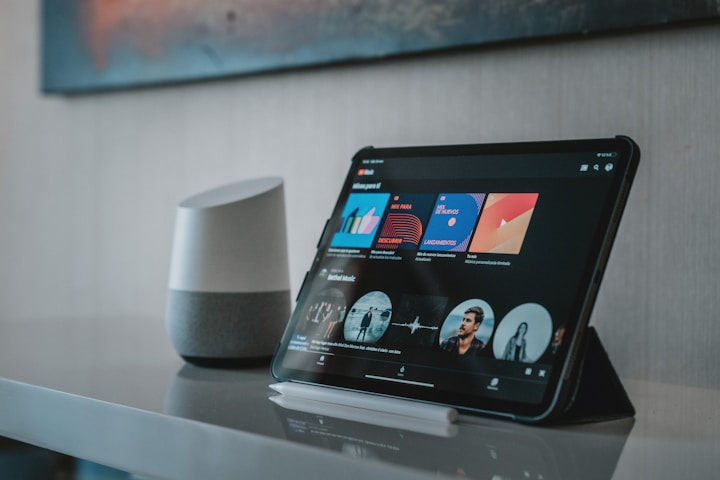

In today’s digital-first music industry, YouTube has become more than just a platform for music videos—it’s a vital tool for discovery, promotion, and monetization. Indie labels, in particular, may be tempted to view YouTube as a disruptive force, but understanding its potential can transform it from a challenge into a powerful ally.
1. YouTube is the Modern Radio
Traditional radio used to dictate which songs became hits. Today, YouTube performs a similar function—but with greater reach and precision. Its algorithm promotes content based on user engagement, watch time, and niche preferences. Indie labels that embrace YouTube can reach highly targeted audiences without spending heavily on radio promotions or mainstream marketing campaigns.
2. Data and Analytics Are Game-Changers
Unlike conventional channels, YouTube provides detailed analytics that indie labels can leverage to understand their audience. Metrics like watch time, demographics, and traffic sources reveal which songs resonate, which videos encourage shares, and what content converts viewers into fans. With this data, labels can make informed decisions on marketing, touring, and even future releases.
3. Monetization Opportunities Abound
YouTube is more than a promotional tool; it’s a revenue generator. Ad revenue, super chats, channel memberships, and brand partnerships all create income streams that indie labels can tap into. Artists with smaller followings can still earn meaningful revenue, especially when coupled with streaming platforms and social media promotions.
4. The Algorithm Rewards Consistency
Indie labels often underestimate the power of regular content. Posting music videos, behind-the-scenes footage, lyric videos, and vlogs consistently helps artists stay on the radar of both fans and YouTube’s algorithm. Over time, this consistency can amplify reach and help indie artists gain traction without the backing of major labels.
5. Viral Potential is Democratized
Unlike traditional media, YouTube allows anyone’s content to go viral. Some indie songs achieve global attention overnight, often through creative fan engagement, challenges, or meme culture. Labels that understand this potential can craft strategies that encourage sharing and organic growth rather than relying solely on paid promotion.
6. Direct-to-Fan Relationships
YouTube allows artists and labels to connect directly with fans. Comment sections, community posts, and live streams foster engagement that builds loyalty. For indie labels, this is crucial—developing a strong, dedicated fanbase often matters more than mass-market appeal.
7. Collaboration and Cross-Promotion
YouTube thrives on collaboration. Indie labels can team up with creators, influencers, or other artists to reach new audiences. Cross-promotion often costs less than traditional advertising and can yield exponential visibility, particularly for niche genres or emerging artists.
Conclusion
YouTube isn’t a surprise—it’s the evolution of music promotion in a digital age. Indie labels that embrace its power, leverage its analytics, and engage with fans consistently will find themselves ahead of the curve. Rather than fearing YouTube, labels should treat it as a strategic partner in artist growth, fan engagement, and revenue generation.